
South Cotswold Soaring
Association: Model Advice
 |
SCSA: Glider Advice, Which model to buy |
DON'T buy a big scale model like a 4 metre wingspan ASW27 or a small 1 metre span "hotrod" model...they are just too tricky to learn on.
DO ask your local club for advice. DO make sure you take out 3rd party insurance in case you crash into anything or anybody. The SCSA is a BMFA affiliated
club and the BMFA has an excellent insurance scheme. See the BMFA website for more info.
Bearing this in mind, you've now got to think about how the model is constructed. There's basically 3 choices
EPP:
made from indestructible foam, meaning you can crash it as many times as you like and it just bounces!Advantages - Quick and easy to build, very difficult to damage, making for an ideal model to learn on Disadvantages - The models look "functional" - i.e. UGLY ARTF (Almost Ready To Fly) - Either made from moulded foam or with fiberglass fuselage and built up or foam wings
Advantages Can look very attractive, pretty much pre-built, all you need to do is some minor building work and install the radio. Wide variety available at reasonable prices. Disadvantages - Not a lot! Can sometimes be more difficult to repair (especially fibreglass fuselages)
Traditional models:
advantages - You can build the model how you want it. You will get a better understanding of how models work and fly.Disadvantages - you have to build the model yourself, which can be tricky if you've never built a model before.
Will take longer to build and get flying.
What would the SCSA recommend?
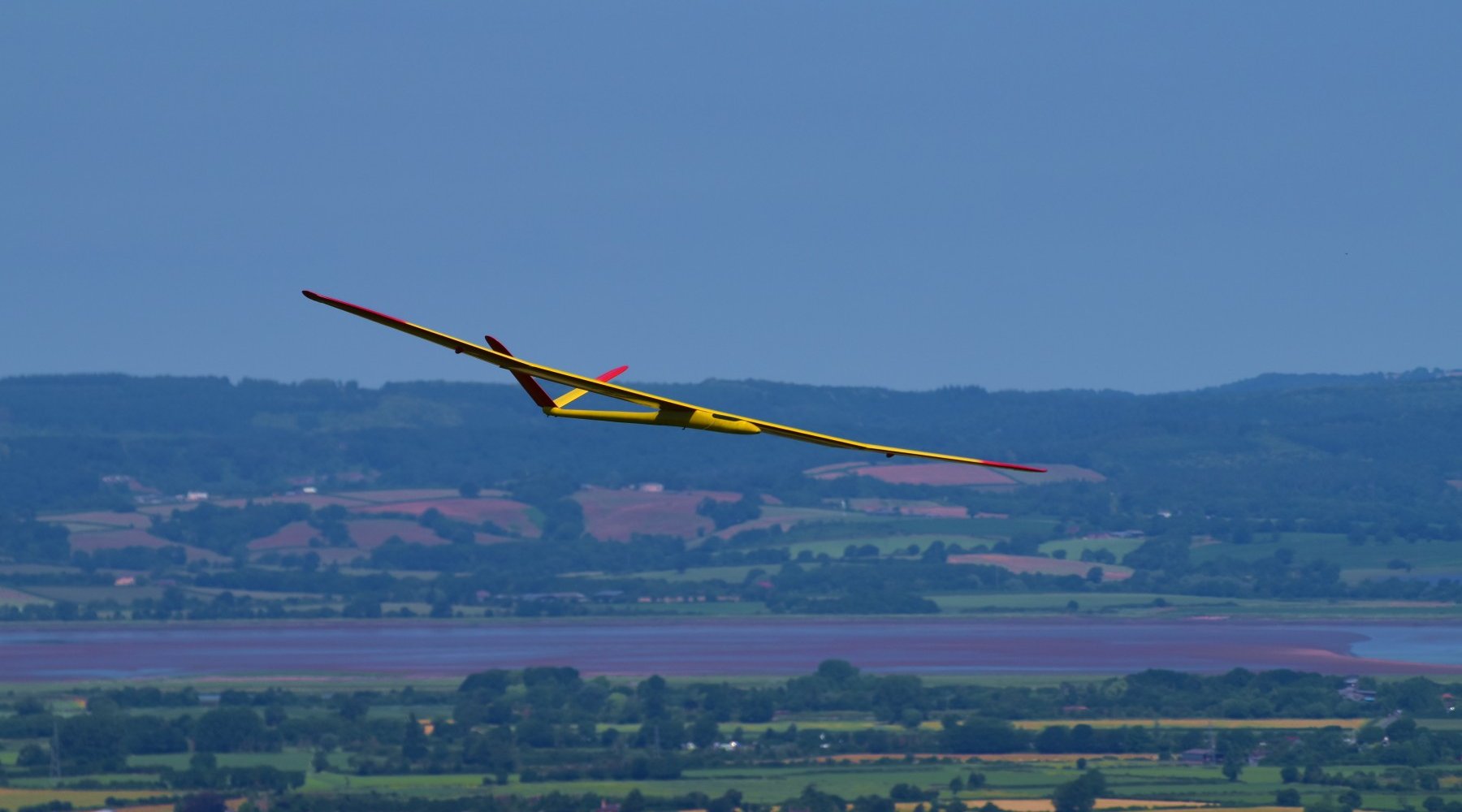
the choice is yours and yours only (bit of a cop-out!). However EPP or moulded foam models are a particularly popular choice nowadays. ideally what you're looking for is a model with a polyhedral wing (one with bent-up wingtips ) with about a 2m wingspan, just like the one's; pictured below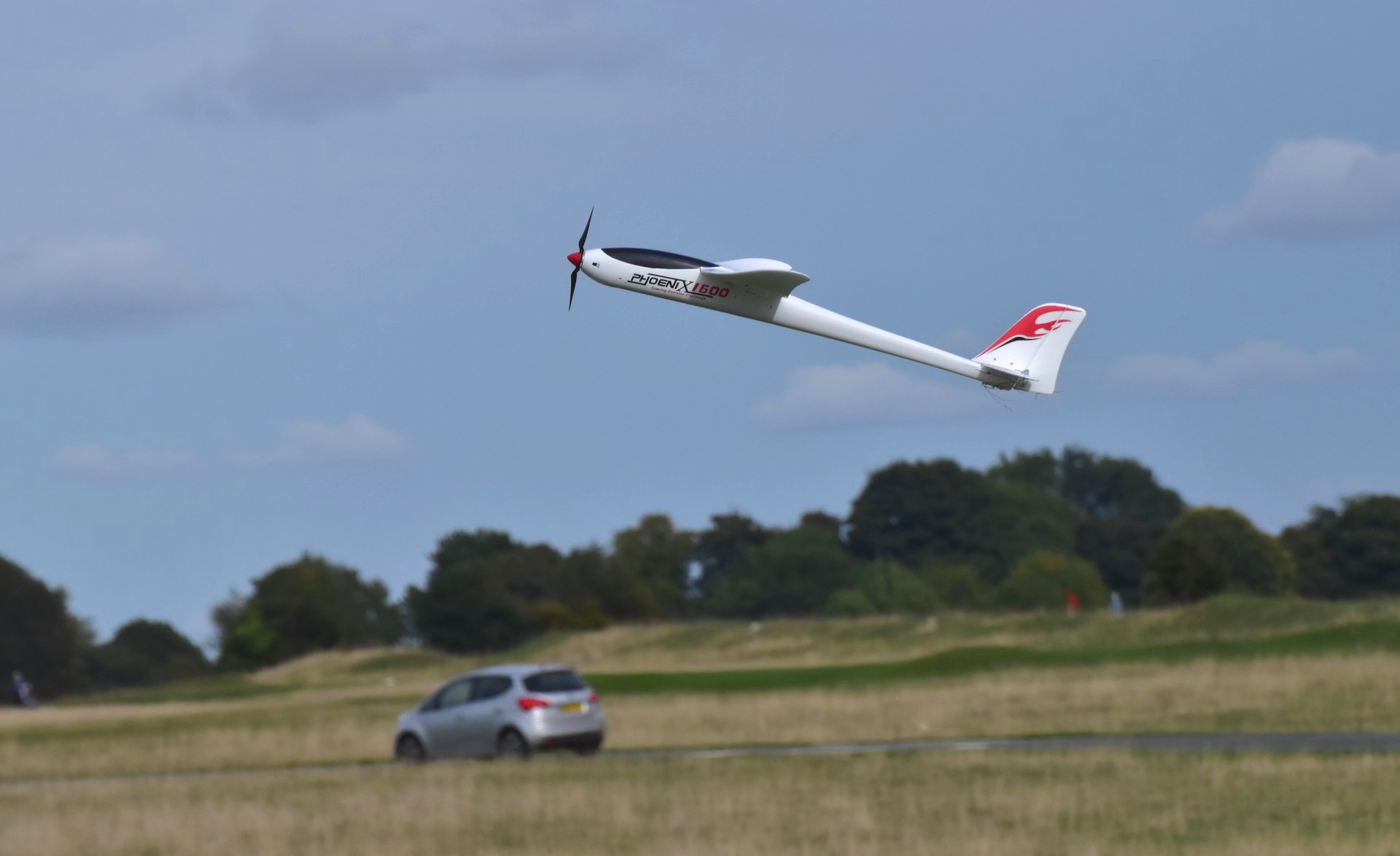
Phoenix 1600 :
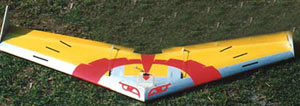
this particular glider is also available with a small electric motor at the front (as pictured). This is perfectly acceptable and ;has the advantage you can fly it in calm conditions. The red glider is a traditional balsa model, (called a Gentle Lady). Some people willrecommend the "Zagi" (see photo right) as a beginners model. Although the Zagi is made of EPP and is an excellent model,
it's only really suitable for beginners who are likely to learn quickly and have quick reactions ( i.e. your average 10 yr old son or daughter).
| The problem (for beginners) is that the Zagi reacts very quickly
to control inputs, meaning you can very quickly get into trouble
and crash whilst you're learning to fly. However you are also very, very unlikely to damage the model. The phoenix 1600 is also a good choice, much like the Easy Glider but cheaper . |
 |